

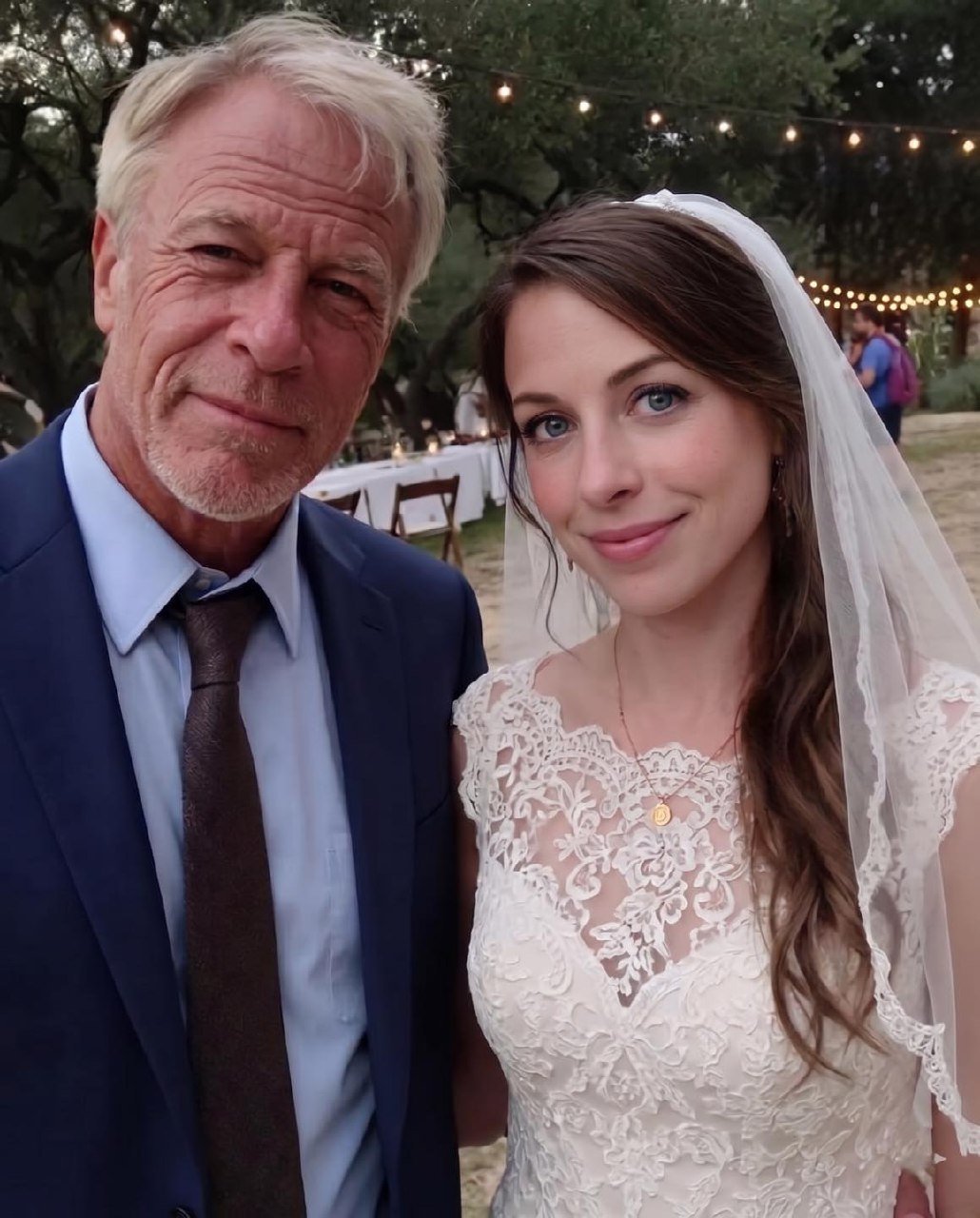
I truly believed marrying my father-in-law was the only way to keep my children from being taken from me.
At that point, I was thirty, worn down, and barely holding myself together. My son Jonathan was seven. My daughter Lila was five. After my marriage to Sean collapsed, they were the only part of my life that still felt solid.
When Sean and I first got together, he made everything sound safe. He told me I wouldn’t have to worry anymore, that he would provide, that staying home with the kids was what a real family looked like. I believed him. At the time, it even felt comforting.
But little by little, I disappeared inside that life.
Conversations became shorter. Decisions were made without me. My opinions stopped mattering. I was no longer his partner. I was just there—useful when needed, invisible the rest of the time.
By the end, Sean didn’t even bother pretending.
“You’ve got nothing without me,” he told me one night in the kitchen, as casually as if he were commenting on the weather. “No job, no savings. I’ll take the kids and erase you from their lives.”
“I’m not leaving my kids,” I said.
He shrugged. “We’ll see.”
That was the moment I understood this wasn’t something I could fix. He didn’t want a marriage anymore. He wanted control.
The only person who didn’t turn away from me was his father, Peter.
Peter was quiet in a way that made people underestimate him. He watched more than he spoke. He was a widower, steady and old-fashioned, but with a gentleness Sean never had. He showed up for the children more consistently than their own father did. He sat on the floor and played with them. He listened when they spoke, really listened, like what they said mattered.
A few years earlier, when I got sick and ended up in the hospital, Sean visited once. Peter came every day. He brought me water when I couldn’t keep food down, picked up the children, made sure they were fed, bathed, and comforted. Somehow, without either of us naming it, he became the only real support I had.
So when everything finally broke—when Sean brought another woman into the house and told me to leave—I had nowhere else to go.
I had no parents. No siblings. No relatives who could step in. I packed what I could, put the kids in the car, and drove straight to Peter’s house.
I didn’t call ahead.
When he opened the door and saw us standing there with overnight bags and frightened faces, he didn’t ask questions. He just stepped aside and let us in.
That night, after Jonathan and Lila were asleep, I sat at his kitchen table, too numb to cry.
“I don’t have anything,” I said. “Sean made sure of that.”
Peter sat across from me, hands folded, his expression unreadable.
“You have your children,” he said.
“That’s exactly what he’s trying to take.”
He was silent for a long moment. Then he said the one thing I never could have expected.
“If you want to protect yourself—and protect the kids—you need to marry me.”
I stared at him, thinking I had misheard.
“That’s not funny.”
“I’m not joking.”
“That doesn’t even make sense.”
“Legally, it does,” he said. “If we’re married, I can file to adopt them.”
I shook my head in disbelief. “Peter, you’re sixty-seven.”
“And you’re their mother,” he replied. “That’s what matters.”
The divorce from Sean moved quickly, mostly because I didn’t have the resources to fight. After nine years of marriage, I walked away with almost nothing. But the court allowed the children to stay under Peter’s roof, since that was where I was living, and for the first time in months, I felt one small piece of ground stop shifting beneath me.
So when we got home that day, with my future hanging by a thread, I said yes.
Not because it felt romantic. Not because I was confused about what it meant. But because I believed it was the only way to protect my children.
